



Sexual harassment has been unlawful in Australian workplaces since 1984. This means employers have had over 4 decades of investing in policies, awareness raising and training to stop sexual harassment at work. Yet our research shows that sexual harassment remains prevalent.
We drew on our 2025–2026 Inclusion@Work Index survey data to explore how common sexual harassment at work is. The Index is a biennial nationally representative survey of 3,000 workers that maps and track inclusion in the Australian workforce over time.
What we asked
This Inclusion@Work Index, we asked workers if they had experienced sexual harassment at work in the past 12 months, who it came from, and their employer’s response to it.
We also asked workers if their workplace had any recognised risks for sexual harassment, and what they would do – if anything – if they witnessed sexual harassment in their workplace.
At a glance
Workplace sexual harassment remains common and takes many forms
Similar to prior national surveys1, close to 1 in 5 (18%) workers told us they experienced sexual harassment at work in the 12 months prior to the survey. These workers told us it happened across a broad spectrum of behaviours.
18% of workers told us they experienced sexual harassment at work in the 12 months prior to the survey.
Most common behaviours were through comments, questions or looks
But a substantial proportion of workers experienced harassment through physical touch
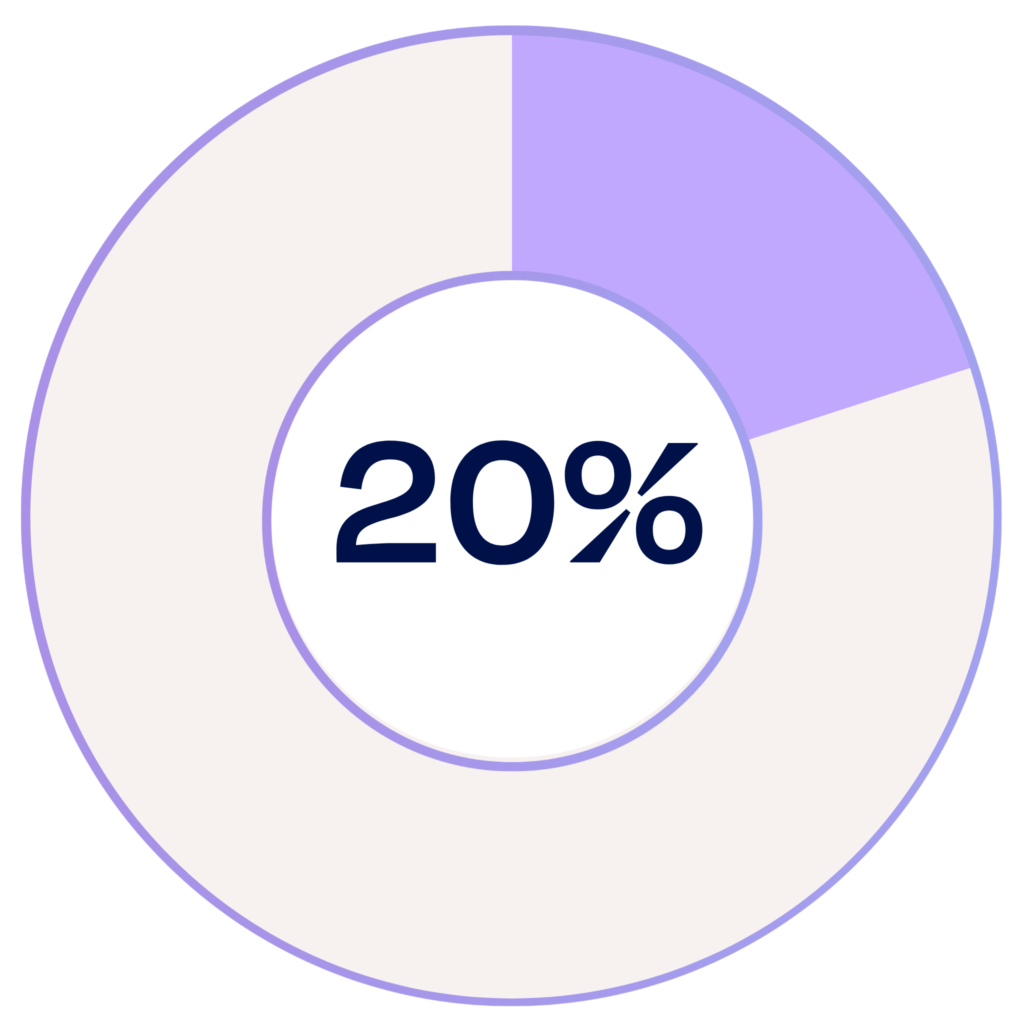
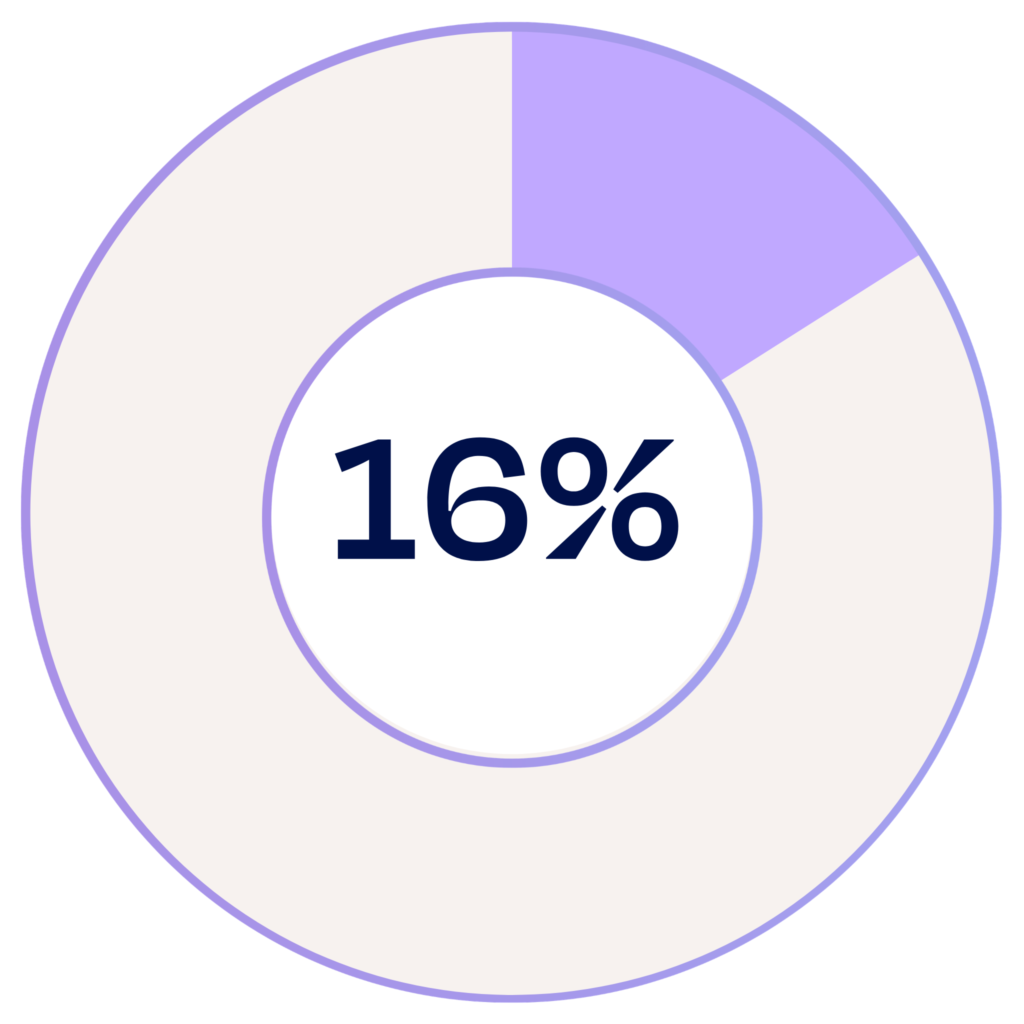
1 in 5 workers who experienced sexual harassment said it happened in the form of inappropriate physical contact, even if brief (20%). Sixteen percent cited it occurred through unwelcome touching, hugging, or kissing (16%).
20% of workers experienced inappropriate physical contact.
16% of workers experienced unwelcome touching, hugging, or kissing.
Not as common but still concerning were workers’ experiences of repeated or inappropriate invitations to go on dates (9%), and repeated or inappropriate sexual advances over time (9%).
Alarmingly, around 1 in every 12 workers experienced sexually explicit behaviours or image-based behaviours. This included sexual gestures or sexual exposure (8%), requests or pressure for sex or sexual acts (8%), sharing or threatening to share intimate images or content (8%), receiving sexually explicit content online (8%), and receiving sexually explicit pictures, posters, or gifts at work (7%).
In the past 12 months, 8% of workers experienced overt forms of sexual harassment, including sexual gestures, exposing genitals, or inappropriate display of their body.
Many workers experienced multiple occurances of sexual harassment behaviours
Among workers who experienced sexual harassment in the 12 months prior to the survey, 19% experienced four or more types of behaviours.
It’s often covert, concurrent, and compounding
- Workers who experienced sexually suggestive comments or jokes were 9 times more likely to also report inappropriate physical contact than those who didn’t. Only 3% of those who did not experience suggestive comments reported inappropriate physical contact, this rose to 26% among those who did.
- Workers who experienced inappropriate staring or leering were around 6 times more likely to also report inappropriate physical contact than those who didn’t. Only 3% of those who did not experience inappropriate physical contact reported inappropriate physical contact, this rose to 22% among those who did.
Sexual harassment comes from many sources
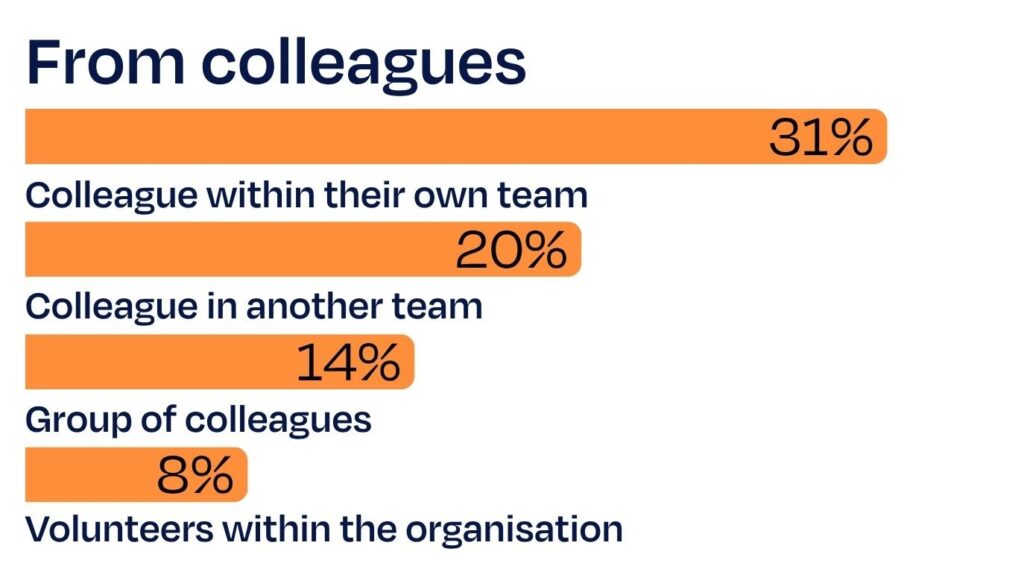
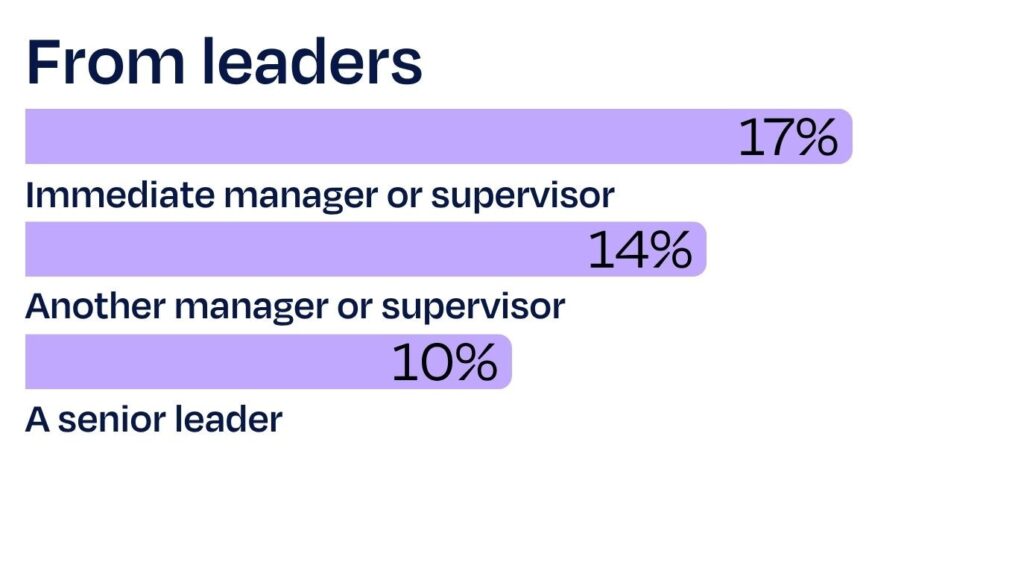
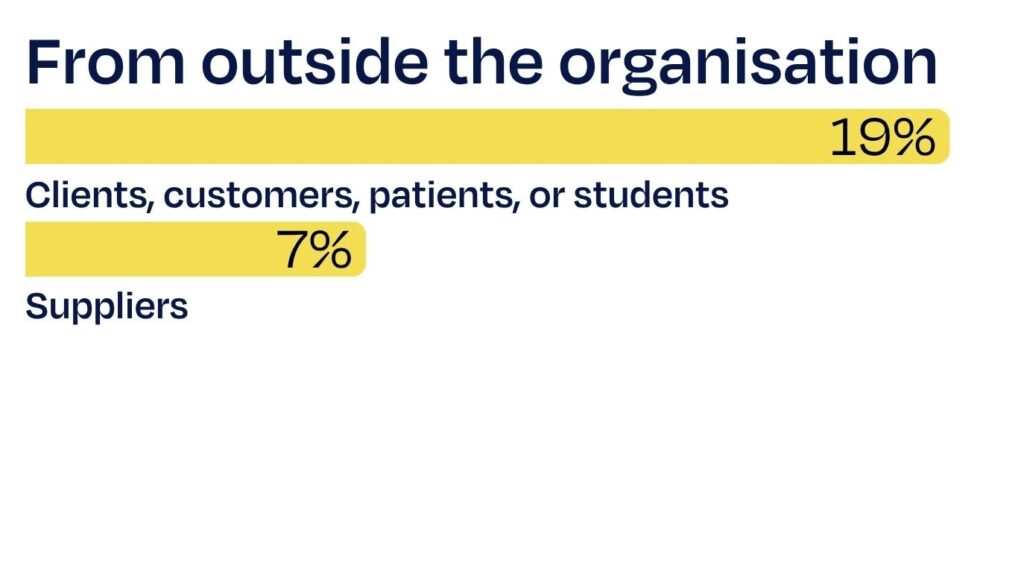
Most workers who experienced workplace sexual harassment told us that it came from someone within their own organisation:
Coming soon: Inclusion at work as a protective factor against sexual harassment
Early findings from an upcoming report show that workers in inclusive organisational climates are 2 times less likely to experience sexual harassment at work than workers in non-inclusive organisational climates.
Date of release: 26 August 2026.
High-risk environments
Workers in high-risk environments experience higher levels of sexual harassment
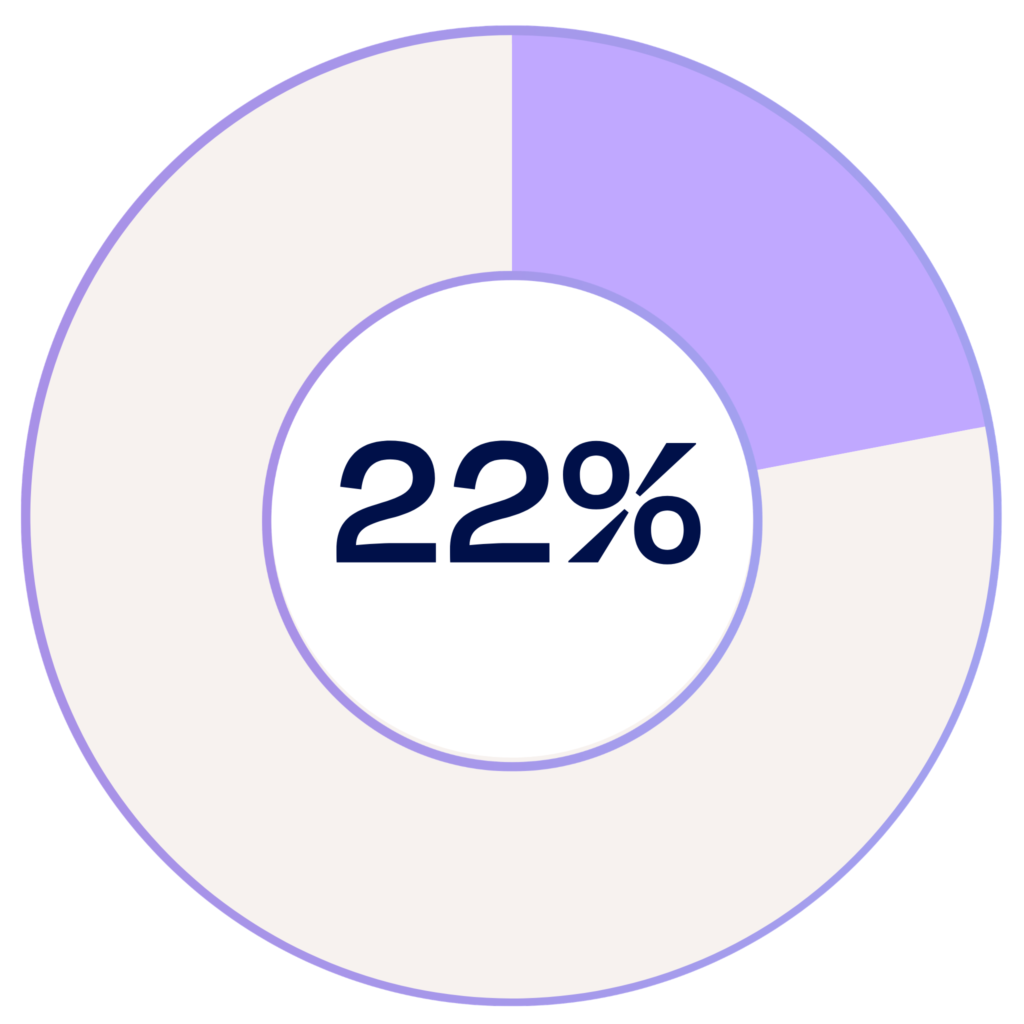
Workers in organisations with one or more recognised risk factors for sexual harassment were 4 times more likely to say they had experienced workplace sexual harassment compared to those whose organisation did not have these risk factors. Specifically, 22% of workers in high-risk environments experienced sexual harassment compared to 5% of workers in environments without these risks.
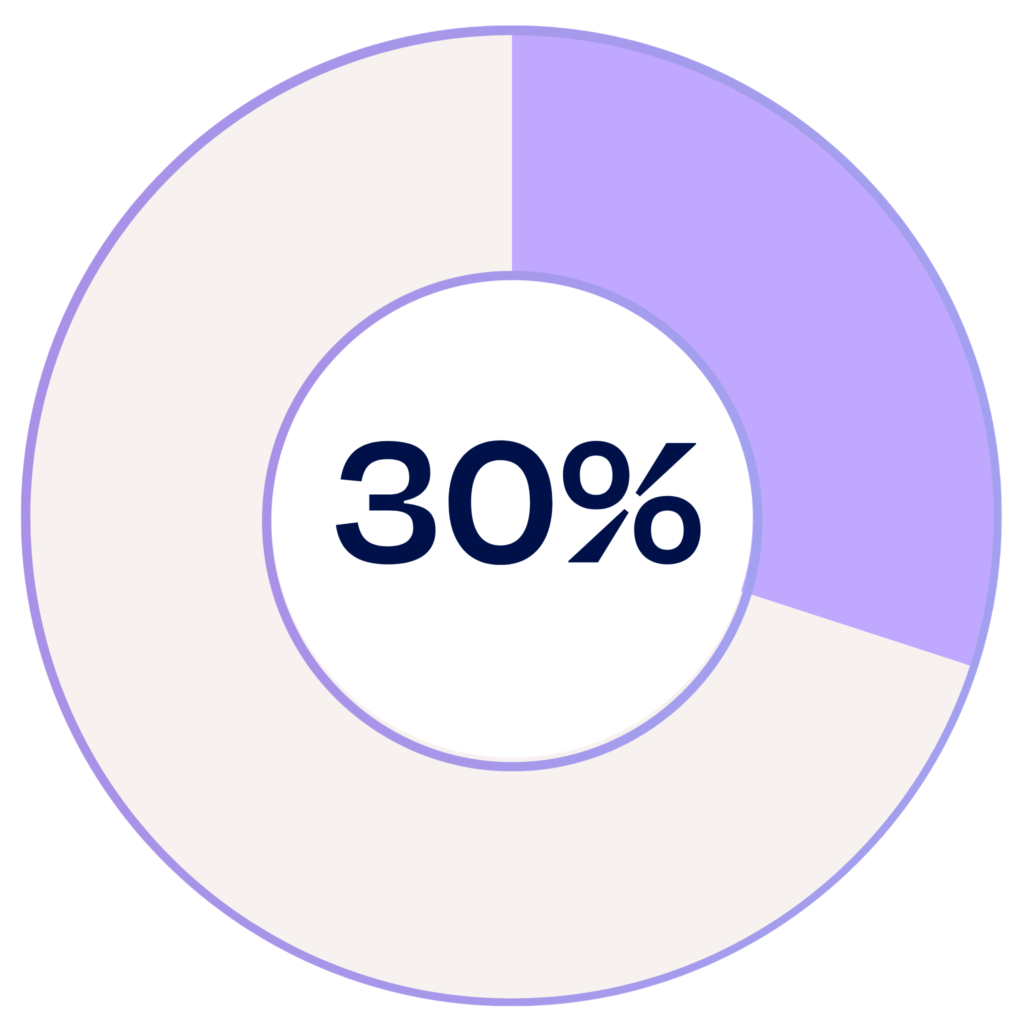
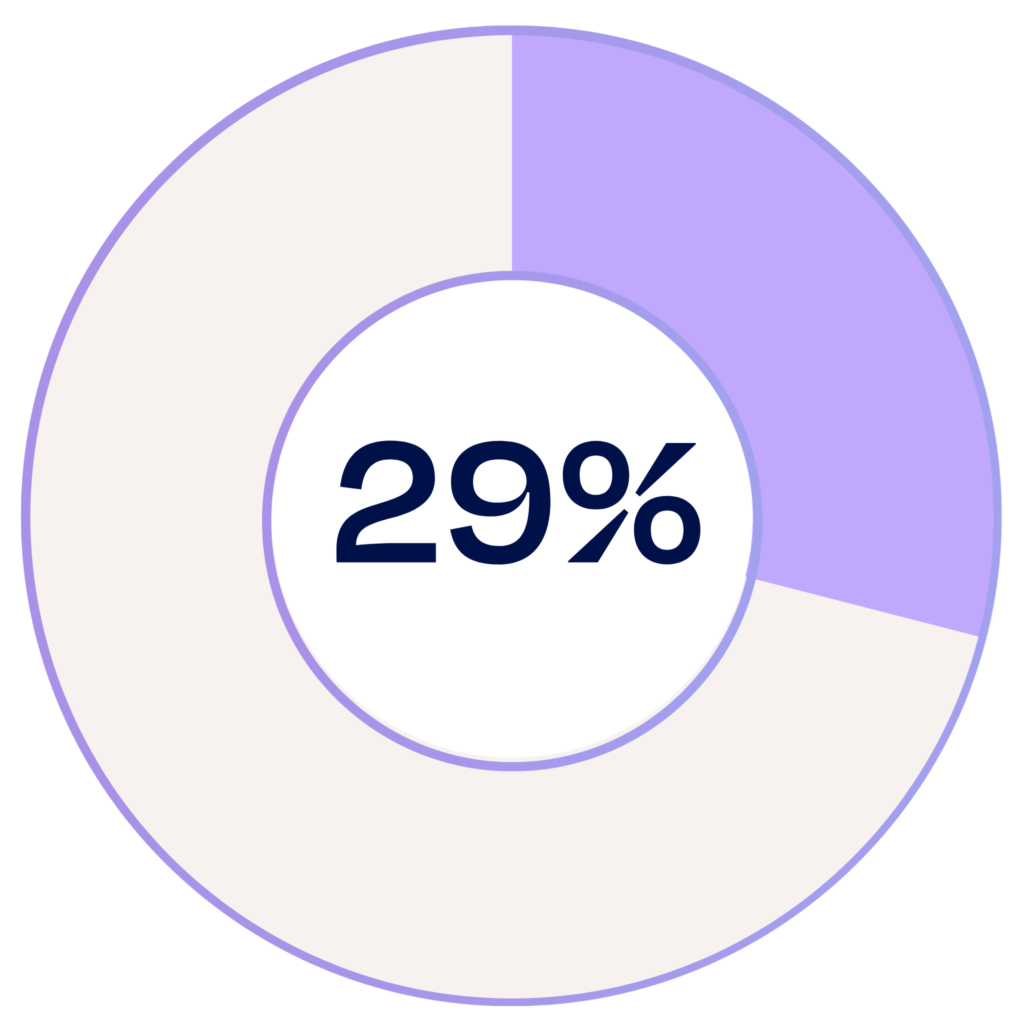
Of the workers who experienced sexual harassment at work in the past 12 months:
30% reported their job involves interacting with customers / patients / students.
29% reported their workplace is very hierarchical.
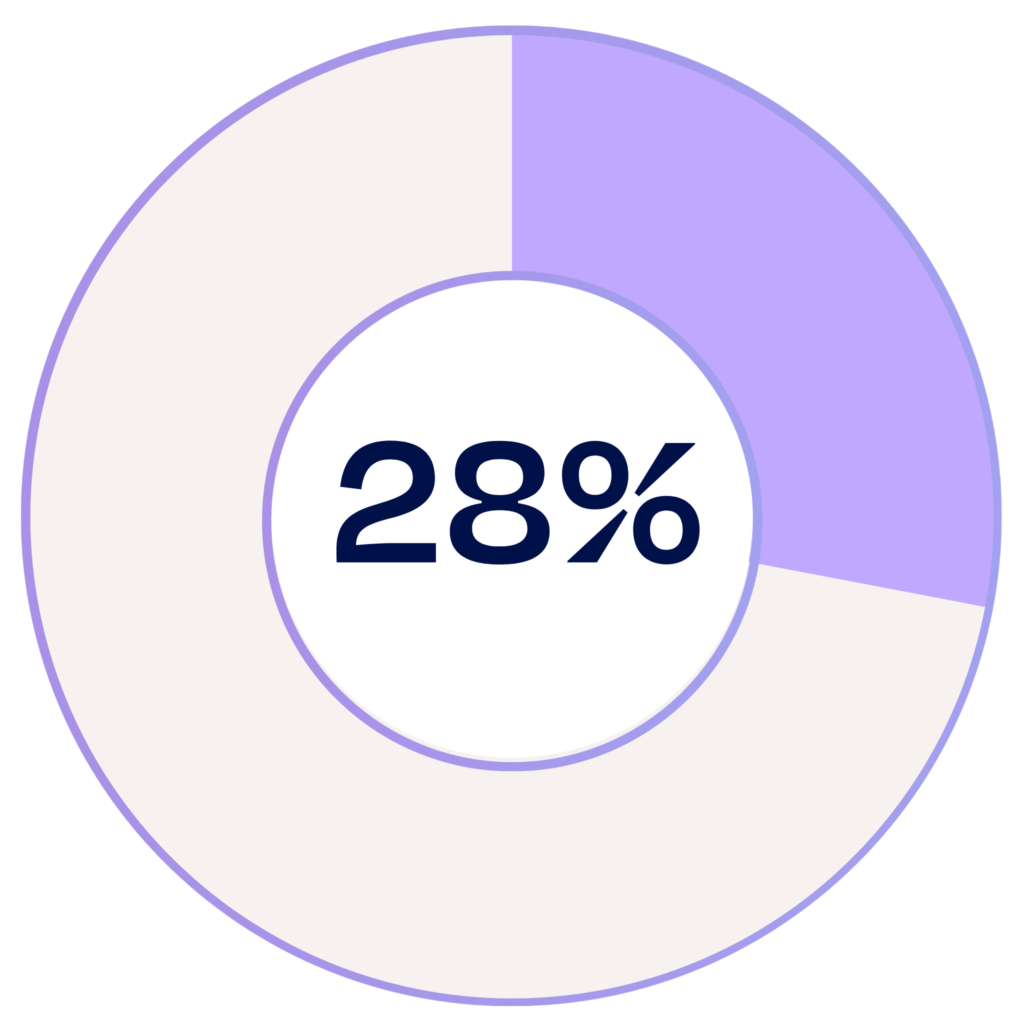
28% reported that when socialising, alcohol is often consumed.
22% reported that many employees are on casual or short-term contracts.
Actions and responses
Employer responses to sexual harassment are broad
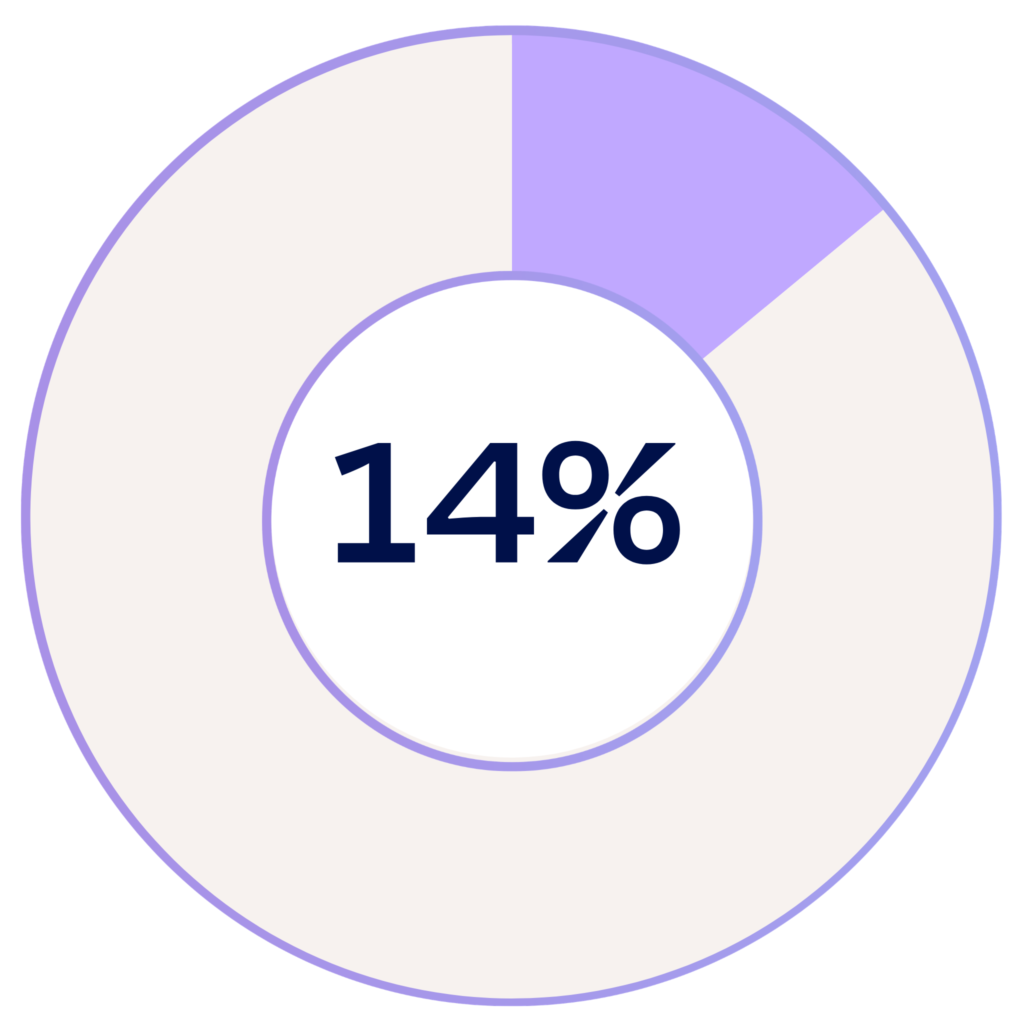
Workers cited a broad range of actions taken by their employer. The most common cited response was giving an apology to the worker who had experienced sexual harassment, with 14% of workers saying their employer had done this.
Over 1 in 5 workers (22%) who experienced sexual harassment indicated that their employer did not know they had experienced it, and therefore took no action.
14% of workers said their employer’s response was to give an apology to them.
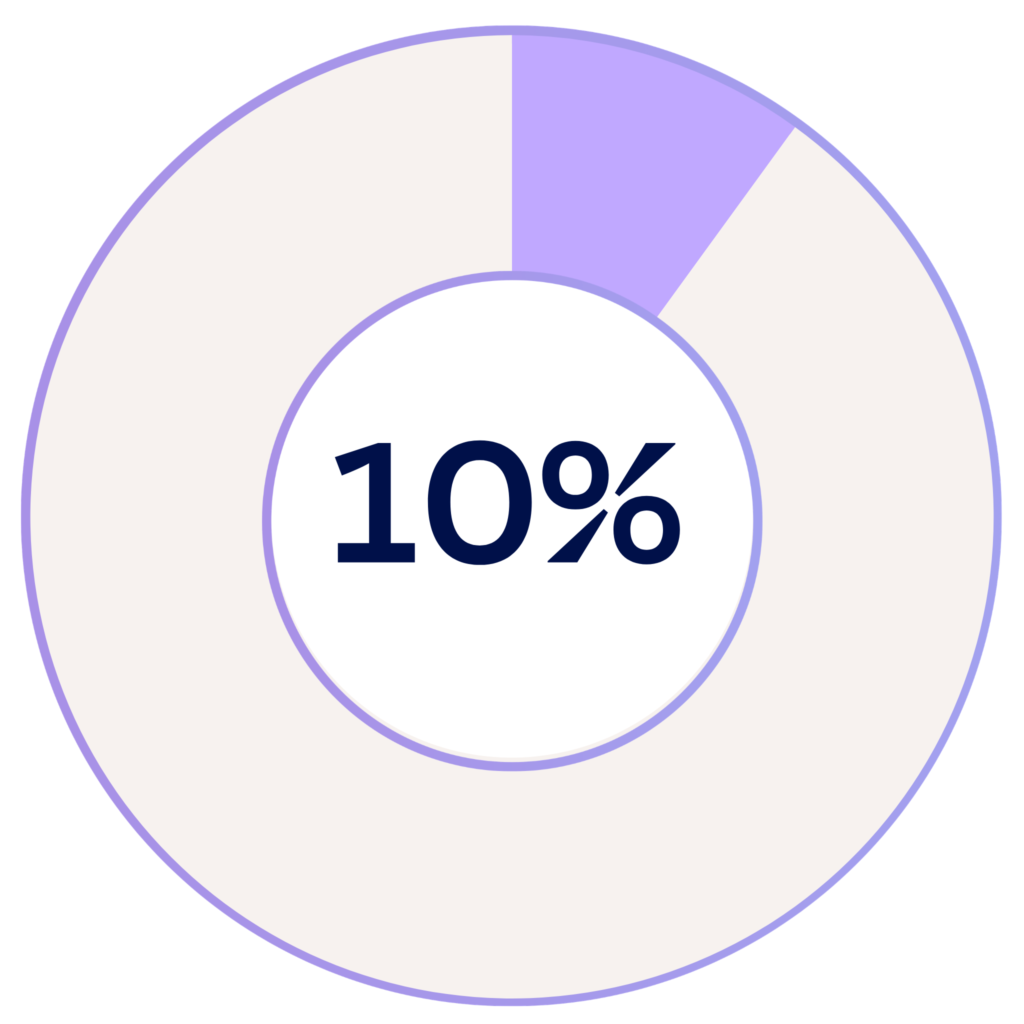
10% of workers said they were punished as a result of speaking up about experiencing sexual harassment.
- Formal actions remain rare. 10% reported that their employer took disciplinary action against the harasser, such as providing a formal warning or dismissal. 8% of workers also said their employer initiated formal medication.
- Informal responses are also common. 13% of workers said their employer spoke informally to the harasser, while 12% reported that their employer monitored the situation to ensure the behaviour did not continue.
- Negative consequences for victims. A concerning 10% of workers reported experiencing punishment after speaking up.
Overall, these findings show that many employer responses remain informal, limited, or inconsistent.
1 in 4 would do nothing if they witnessed sexual harassment
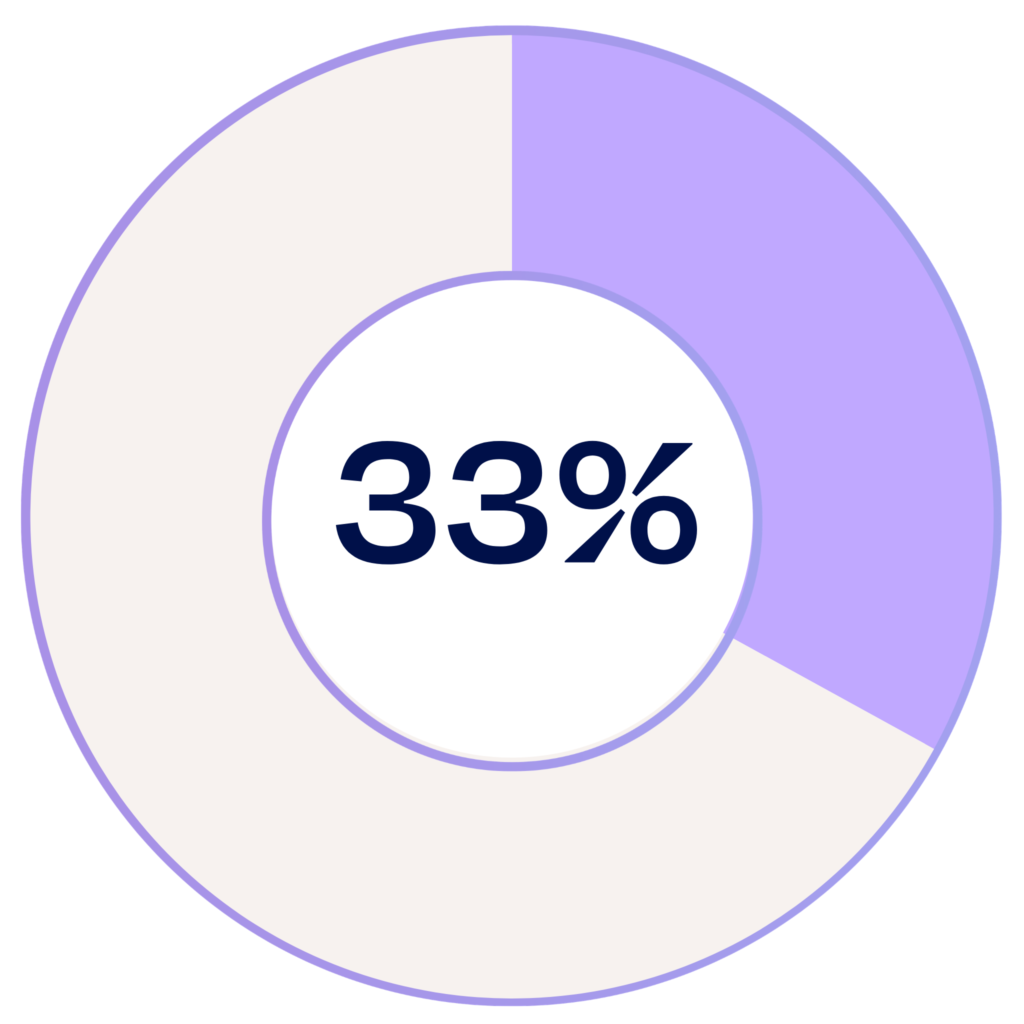
1 in 4 workers (24%) said they would not take any form of action if they witnessed sexual harassment in their workplace and only 1 in 3 (33%) workers said they would check in with the target of the sexual harassment following the incident.
For those who would act, direct and formal action was most common
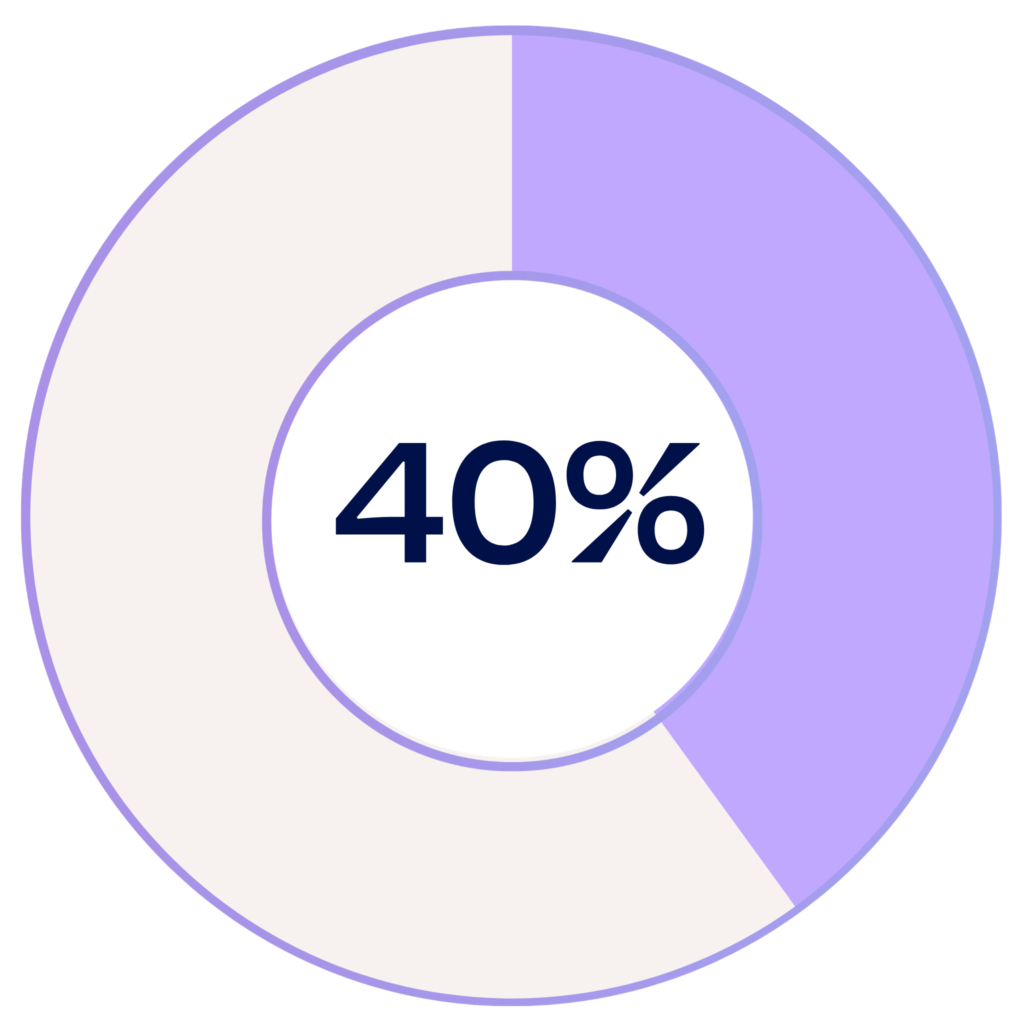
The two most common actions workers said they would take if they witnessed sexual harassment were reporting the behaviour to their employer (40%) and telling the harasser to stop at the time (33%). These findings show that workers are most likely to choose direct and formal interventions when they feel able to act.
40% of workers said they would report the behaviour to their employer.
33% of workers said they would tell the harasser to stop.
In contrast, the least common actions were making a light comment to interrupt the situation at 10%. These results suggest that workers are far less likely to rely on indirect strategies or actions outside established organisational processes.
Learn what you can do to be an active bystander
An active bystander is someone who notices inappropriate behaviour and takes safe and reasonable actions to prevent it, interrupt it, or support the person experiencing the harassment.
Subtle actions
Examples include making a light comment to interrupt the harassment, showing disapproval through body language, or checking in with the target of harassment.
Direct actions
Examples include telling the harasser to stop or supporting the target of harassment to make a report.
Being an Active Bystander is DCA and Our Watch’s resource on how to interrupt, de-escalate and prevent sexual harassment at work, and how to support targets of sexual harassment.
Authors
Dr Rose D’Almada-Remedios

Dr Rose D’Almada-Remedios is the Head of Research at DCA. She specialises in transforming complex evidence into practical, actionable insights, combining expertise in D&I data, evidence‑based decision‑making, and knowledge translation to support organisations to create more inclusive workplaces.
Rose holds a Bachelor of Business (Hons) and PhD in Management and Human Resources from the University of Newcastle. With a deep passion for survey design and organisational data, she is committed to helping businesses understand and leverage their workforce insights to drive meaningful, measurable change.

Dr Jennifer Chelsea Veres

Dr Jennifer Chelsea Veres is a researcher, educator, and strategic data analyst with over 10 years of experience across academia and applied research. She specialises in organisational research and data-informed decision-making, with a focus on transforming complex data into clear strategic insights that support planning, performance, and stakeholder engagement.
Jennifer holds a PhD in Leadership and has worked across multiple Australian universities and industry-aligned research projects, with expertise spanning statistical analysis, survey design, people analytics, leadership, and organisational strategy. She is passionate about using data to drive practical outcomes and bridge the gap between research and real-world application.
Materials contained in this document are © Copyright of DCA Ltd, 2026 and come under our Terms of Use and Privacy Statement. If you wish to use any content contained in this report, please contact DCA at research@dca.org.au, to seek consent.
Where you wish to refer to our research publicly, it must be correctly attributed to DCA.
- Formal attribution to DCA is required where references to DCA research material are in a written format.
- Citing DCA as a source will suffice where the reference is made in a verbal format.
Suggested citation:Diversity Council Australia (R D’Almada-Remedios & J Veres), Index Insights: Sexual Harassment, DCA, Sydney, 2026.
INCLUSION@WORK INDEX logo is a Registered Trade Mark of Diversity Council Australia Limited.
Myth busting sexual harassment at work
Read DCA’s myth buster where we break down 8 common myths surrounding sexual harassment, including ‘People who get offended just can’t take a joke’ and ‘But they’re one of our top performers’.
You can also access detailed frameworks for action on each of the myths so that both employees and workplaces can stand up for safety and respect at work.
How workplaces can support bystander action
Bystander action is critical in addressing sexual harassment at work, but it is only effective if raising concerns is encouraged, taken seriously, and free from risk of negative consequences.
Explore ways workplaces can support bystander action in this blog by Alisha Taylor-Jones, Workplace Implementation Lead at Our Watch.