
Beyond a seat at the table: how ANZ is rethinking First Nations influence
Representation and getting First Nations people in the room has long been held up as the end goal, but ANZ’s Ngarga Wangaddja is proof that something more powerful is possible.
Launched in 2021 as a culturally safe employee network for Aboriginal and Torres Strait Islander staff, Ngarga Wangaddja (meaning “mob talking” in Narrunga language) has grown into something that has real influence: an internal advisory body that shapes how decisions get made.
We spoke with Co-Chairs Tenielle Rolfe and Joel Lutui to learn more about what that shift looks like and what other organisations can learn from it.
From consultation to co-design
The difference, as Tenielle puts it, is between being asked for your opinion and actually being part of the decision.
Too often, First Nations employees are consulted after a direction has already been set and their input becomes absorbed into a predetermined outcome.
“Don’t create advisory groups just to tick a box or validate decisions that have already been made,” says Tenielle, “build structures that give people real influence”.
Ngarga Wangaddja was built to disrupt that pattern by embedding First Nations perspectives into governance, policy design and strategic decision-making from the beginning, rather than as an afterthought.
At ANZ, that’s translated into concrete changes like cultural leave, more inclusive employment pathways, intentional First Nations representation in senior leadership conversations, and employee surveys being interpreted and acted on through a First Nations lens.
Reframing the conversation
One of the practical challenges in progressing power sharing is that the language itself can create resistance. Conversations about who holds power and what needs to change can make people uncomfortable.
Ngarga Wangaddja’s approach has been to reframe it. Rather than positioning power sharing as something being taken away, it’s viewed as a better way to make decisions and strengthen outcomes.
“When organisations value lived experience and cultural expertise alongside technical expertise,” Joel explains, “you end up with decisions that are more informed, more inclusive and ultimately more effective.”
The cultural load question
One of the most important things Ngarga Wangaddja is grappling with is also one of the least discussed, and one that many organisations are still figuring out: cultural load.
First Nations employees are routinely expected to mentor colleagues, field questions, advise on cultural matters and carry the emotional weight of reconciliation work. This is all on top of their usual work, and typically without formal recognition or reward.
Tenielle’s view is that this contribution needs to be recognised and distributed. Accountability belongs with leaders, not just with First Nations staff, and allies shouldn’t just signal support, they should actively take the lead on reconciliation actions and share the load.
What comes after representation
While representation matters – because you can’t influence outcomes without it – the more useful question isn’t how to get First Nations people in the room, it’s what you’re prepared to do once they’re there.
“Representation is important,” says Joel. “But it’s what you do with it that really changes systems.”
Ngarga Wangaddja offers a practical model: start with connection and cultural safety, build genuine trust, create structures that allow for real influence, and keep pushing the bar higher for future generations.
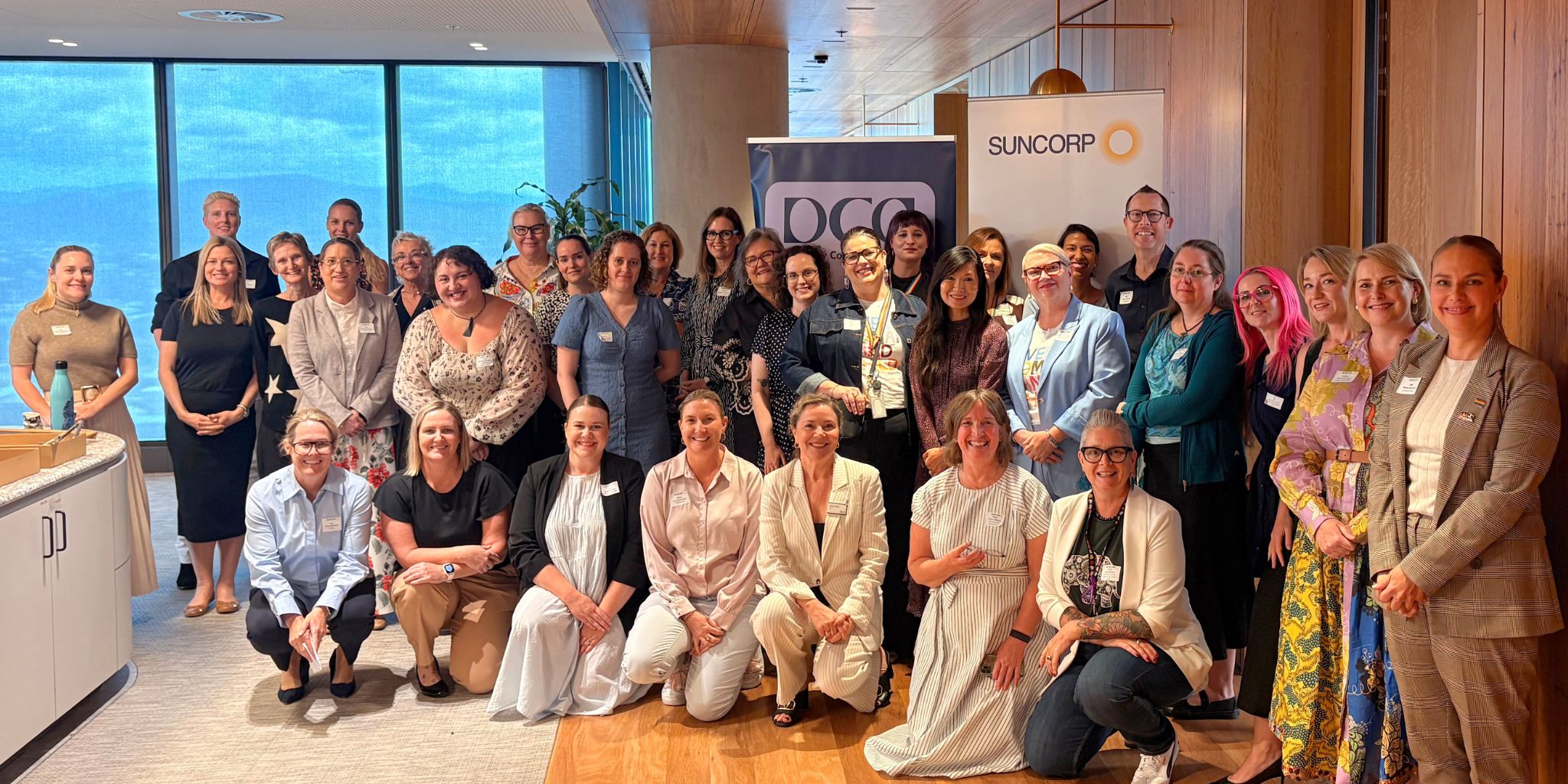
Are you considering DCA Membership?
We know that driving workplace D&I initiatives can be complex and challenging. Join our vibrant community and access over 40 years of expertise and evidence-based resources to support every stage of your organisation’s journey.
Leverage our resources to boost your work
Aboriginal and/or Torres Strait Islander people have experienced significant exclusion from Australian society for many years. Ending that exclusion is foundational to workplace diversity and inclusion. Explore our resources and take action today.