Change at Work: a model for designing and implementing D&I organisational change
This case study is explored within the framework of DCA’s own Change at Work research. This evidence-based approach delivers strategic D&I that sticks, and is based on four switches:
WorkCover Queensland provides workers’ compensation insurance to more than 180,000 businesses.
As an organisation, WorkCover recognises that a diverse and inclusive workforce leverages the unique skills, experiences, and perspectives of all employees. By cultivating a workplace where everyone has the opportunity to contribute, participate, and reach their full potential, WorkCover strengthens its ability to deliver exceptional outcomes for customers and the community.
At the core of WorkCover’s operations is a commitment to understanding and addressing the diverse needs of its customers. This requires a continuous evolution of the organisation’s business processes to ensure they remain adaptive, customer-focused, and aligned with contemporary best practice in return-to-work solutions.
Explore the evidence-based model for designing and implementing D&I organisational change.
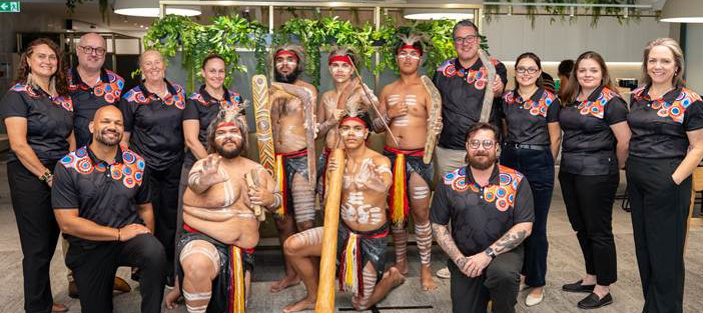
WorkCover employees pictured with the Nunukul Yuggera Aboriginal Dance Company at WorkCover’s Innovate Reconciliation Plan launch event, May 2026
Diagnose – identifying the fundamental need
WorkCover identified several opportunities to better provide culturally safe and equitable services to First Nations workers and communities.
To address these opportunities, WorkCover engaged a First Nations-owned consulting partner to support the redesign of its strategic approach, ensuring cultural authority, community knowledge, and First Nations leadership guided the development of the new strategy.
Design – building a strategy that works
WorkCover worked closely with its First Nations-owned consulting partner to co-design an evidence-driven and community-informed strategy. Using workshops, maturity assessments, stakeholder interviews and cultural capability assessments, WorkCover identified the interventions that would have the strongest impact.
This process helped clarify organisational readiness, set measurable goals, and define the systems, policies, and capabilities needed to build a culturally safe organisation.
The resulting First Nations Strategy, developed in 2024, centred on six pillars:
Cultural respect
Workforce capability
Governance
Partnerships
Community engagement
Inclusion.
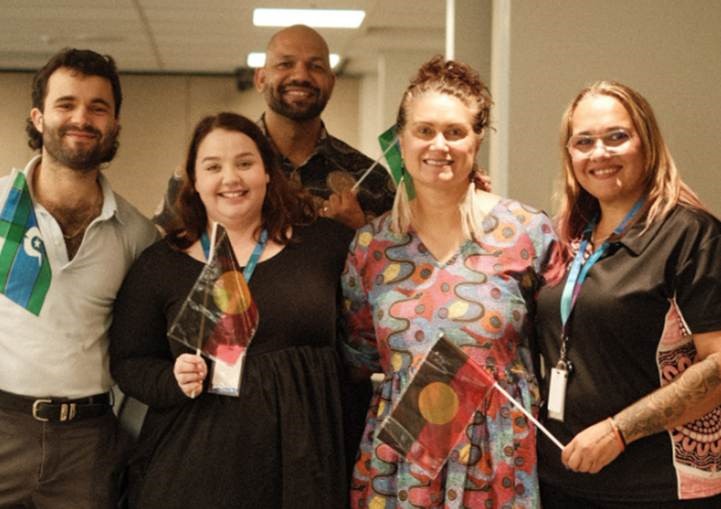
Some of WorkCover’s First Nations Network at an internal National Reconciliation Week event, May 2025
A First Nations Strategy team was also established, made up of First Nations-Identified roles operating within the people, customer experience, and procurement/community engagement portfolios across the business to execute the strategy.
Engage and enable – bringing people on the journey
WorkCover recognised that meaningful cultural change requires employees at all levels to understand, engage with, and lead the transformation. Several initiatives were put in place to build capability, strengthen communication, and embed First Nations voices.
1. Communicating the vision
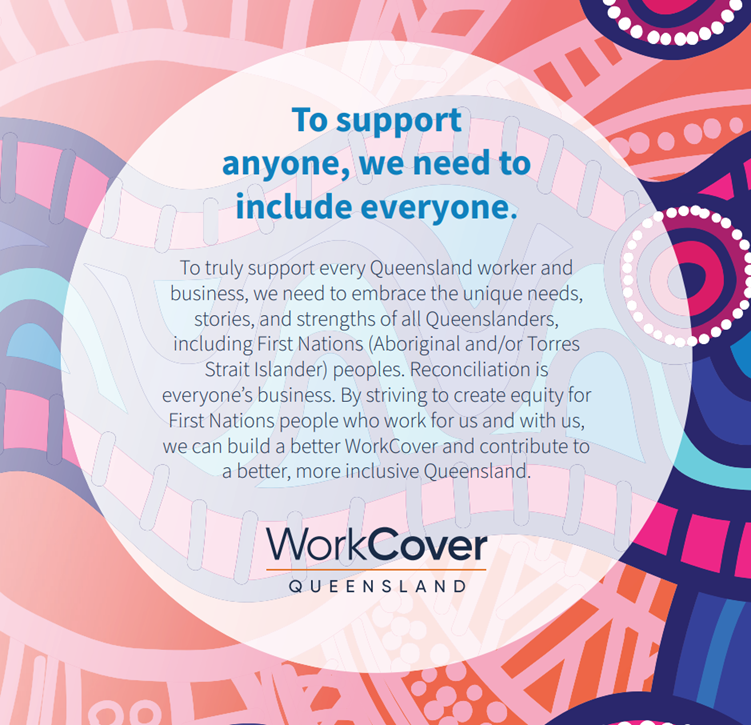
WorkCover believes “To support anyone, we need to include everyone.” This vision is shared consistently through:
executive sponsorship of WorkCover’s First Nations work by the Chief Executive Officer
internal communication channels including Viva Engage, videos, the intranet, leaders’ newsletter, and learning channels
localised cultural engagement activities, such as Traditional Owner welcomes and participating in NAIDOC and other community events.
2. Mobilising change agents
Establishment of a First Nations Employee Network to elevate internal voices and inform organisational decisions
creation of a Reconciliation Steering Committee, a strategic group leading the direction and governance of WorkCover’s reconciliation journey
evolution of the Reconciliation Working Group, delivering on WorkCover’s commitments within its Innovate Reconciliation Action Plan
strategic alignment with Amplify, WorkCover’s Inclusion Advisory Network, ensuring First Nations priorities are championed by a network of change agents who drive inclusion awareness, engagement, and sustainable change across the organisation.
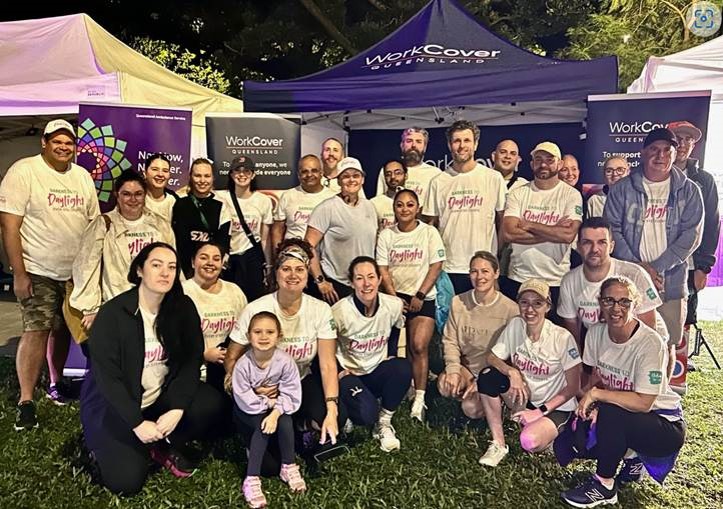
WorkCover employees at the 2025 Darkness to Daylight event
3. Enabling employees and leaders
WorkCover recognises that education plays a vital role in building cultural responsiveness.
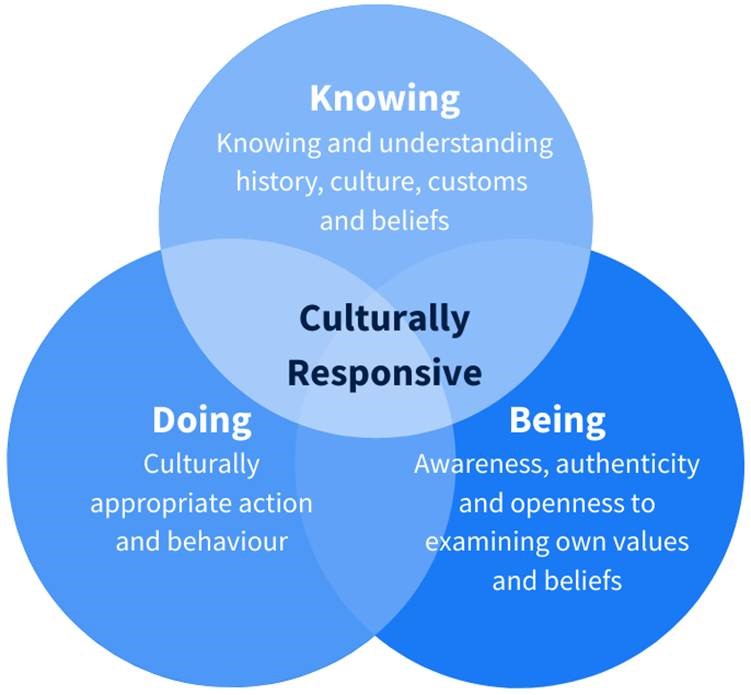
The Knowing, Doing and Being model is a Commonwealth Government Aboriginal and Torres Strait Islander Cultural Capability Model. Cultural capability is not just about learning facts (Knowing), but also about shaping attitudes and values (Being) and applying knowledge in practice (Doing).
WorkCover’s education initiatives since the launch of its First Nations Strategy have included:
launching First Nations Foundations online training for all employees
planned face-to-face First Nations workshops, delivered by First Nations facilitators and focused on practical, workplace application
delivering Acknowledgement of Country workshops to all leaders and available to all employees, highlighting the role we all play in driving cultural safety and system change
participating in on-Country experiences· internal events and activities aligned with key First Nations dates within WorkCover’s inclusion calendar.
Embed and evaluate – making change sustainable
WorkCover is embedding its First Nations Strategy into its systems, processes, and governance frameworks to ensure change is long-lasting and measurable.
1. Systems and governance integration
Establishing governance arrangements that ensure clear oversight, accountability, and reporting through the Reconciliation Steering Committee to the Board
integrating Reconciliation Action Plan objectives into leadership discussions, performance development, and planning cycles
developing dashboards and data tools to track First Nations outcomes across claims, training, workforce diversity, partnerships, and engagement.
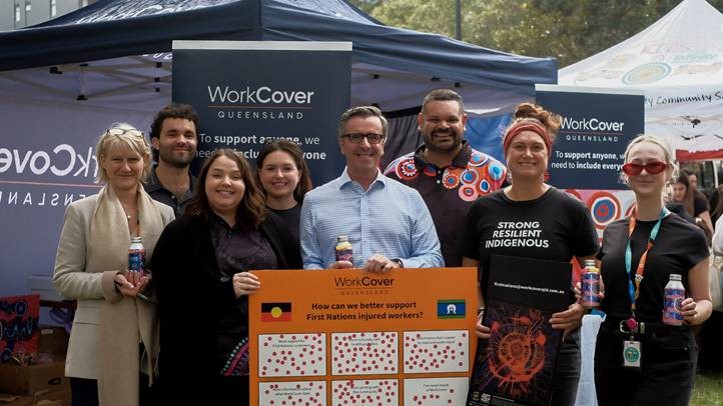
WorkCover employees at the Musgrave Park NAIDOC Family Fun Day, 2026
2. Embedding cultural safety into practice
First Nations Strategy team embedded across key business areas
updating claims processes and resources to incorporate First Nations cultural knowledge
aligning the strategy with WorkCover’s core purpose, ensuring cultural capability directly contributes to better customer outcomes.
3. Workforce and supplier systems
Incorporating First Nations capability into onboarding, leadership programs, and continuous learning
strengthening First Nations employment pathways, internal support structures, and career development opportunities
expanding supplier diversity by embedding First Nations procurement requirements into procurement systems and policy.
4. Evaluating impact
WorkCover measures progress through:
workforce data, including First Nations total workforce and leader representation
First Nations employee engagement data and insights
First Nations participation in workplace programs, including accessing study assistance, graduate program, and emerging leader program
training attendance, completion, and feedback
First Nations customer experience feedback
qualitative insights from frontline team members
community partner insights and engagement.
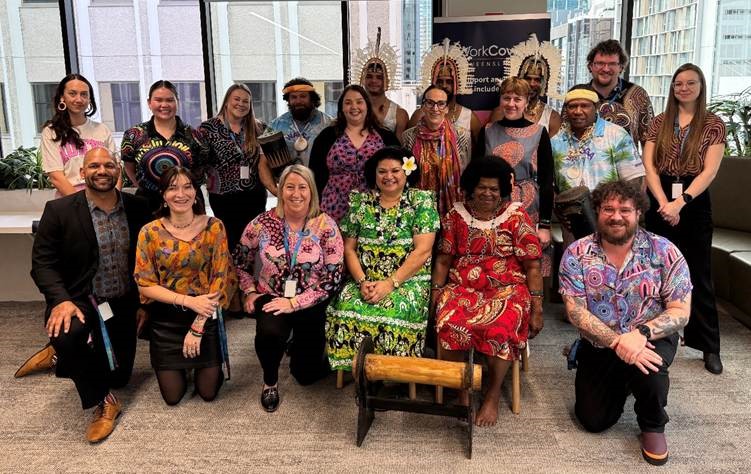
WorkCover employees wearing their First Nations fashions pictured with the Wagga Torres Strait Islander Dance Company, July 2025
Key success factors include strong leadership commitment, First Nations-led design, genuine partnerships, visible communication, and a willingness to challenge established practices.
Early outcomes demonstrate increased cultural confidence across the workforce, strengthened relationships with community partners, improved cultural considerations in claims management, and stronger alignment between WorkCover’s purpose and its First Nations commitments.
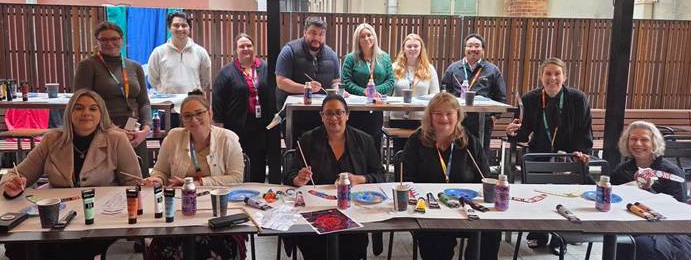
NAIDOC Yarn & Paint
Change at Work research and resources
Evidence-based model for designing and implementing D&I organisational change
Aboriginal and Torres Strait Islander Peoples Resources
DCA has a range of resources to support workplace inclusion for First Nations Peoples. Aboriginal and/or Torres Strait Islander people have experienced significant exclusion from Australian society for many years. Ending that exclusion is foundational to D&I.