
International Women’s Day (March 8) is an important milestone for workplaces as we strive toward gender equality. Research shows gender equality offers a range of measurable and well-documented benefits for individual businesses as well as the wider economy. A continued focus on women’s empowerment and equality, and their elevation to leadership, is a necessary part of finding solutions for our collective future.
To support this ongoing mission, and to mark this important day, we asked some of our member organisations to share the work they are doing towards gender equity.
DuluxGroup: Moving towards balance
DuluxGroup is committed to creating an environment where everyone belongs and that people feel valued and supported – it is part of who they are and their lived values and behaviours.
Operating in traditionally male dominated industries, DuluxGroup has taken a deliberate, long-term approach to improving gender balance and inclusion. This commitment is outlined in the organisation’s Towards Balance: Gender Progress Report, which sets a clear ambition of achieving a 40:40:20 gender balance. DuluxGroup aspires to be an organisation with 40:40:20 gender balance (40% men; 40% women; 20% of any gender), particularly in leadership roles, and continues to work toward this. Over the past decade, commitment to gender diversity has seen them increase the females in their DGL Pacific Leadership Group of more than 200 people from 15% in 2013 to 38% today.
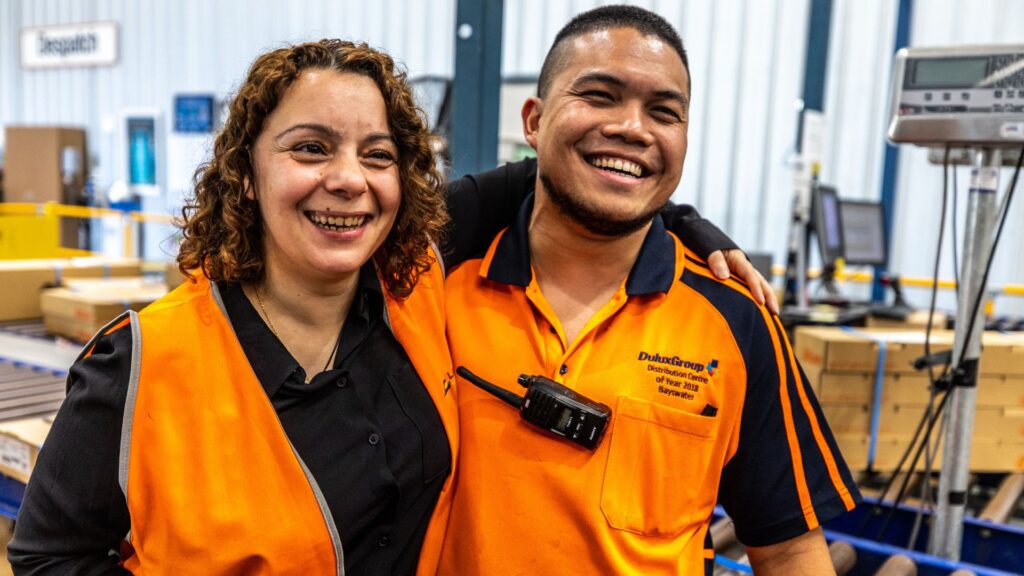
As Chairman and CEO Patrick Houlihan reinforces, “DuluxGroup leadership remains committed to a gender balanced future in our workforce and in our industry.” This reflects a belief that meaningful progress requires leadership ownership and a willingness to challenge traditional ways of working.
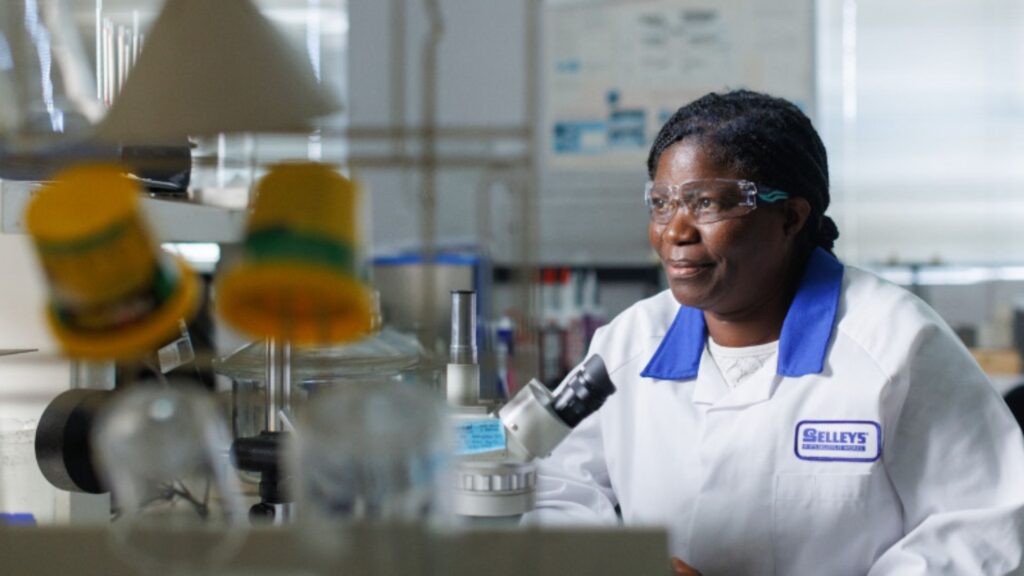
Balance at DuluxGroup extends beyond representation. Flexibility is offered across roles wherever possible, recognising that balance looks different for everyone and evolves over time. In operational environments, where flexibility is often assumed to be limited, DuluxGroup has challenged this thinking through initiatives such as flexible and family friendly shift patterns, demonstrated in a NAWO case study to improve engagement, productivity and retention.
As Brooke Westphalen, Head of Organisational Development, explains: “Our progress towards our gender diversity goals is something to be proud of, but we are still on the journey. We know diverse teams and businesses drive better outcomes and make DuluxGroup a better place to work. By remaining focused on data, listening to lived experience and maintaining leadership accountability, the organisation continues to move towards a workplace where everyone feels valued, supported and able to do their best work — not just on International Women’s Day, but every day.”
Growing women in trades at Energy Queensland
Energy Queensland employs the largest workforce of women in trades and apprenticeships in the Australian energy industry – a proud achievement in a sector where women have long been under-represented. This progress has been driven by systemic, sustained change, acknowledging structural barriers that long made electrotechnology trades inaccessible for women.
In 2017 the Women in Technical and Operational Roles (WINTOR) Working Party was established, bringing together field‑based women, operational leaders and diversity specialists. The format is pivotal: the working party does not operate as a “special interest” group, but as a mechanism for understanding the lived experience of women in the field and jointly solving the barriers they identify.
The WINTOR Working Party tackles issues reminiscent of workplaces historically designed for men, including introducing improved uniforms and PPE, more inclusive depot amenities, and practical supports for parental leave, menstruation, and breastfeeding in remote locations, helping women to participate fully, safely, and sustainably in field‑-based roles.
The group focuses on making space for constructive, honest discussions about risk, safety, and workplace culture, including how leaders respond to and prevent sexual harassment. This discipline of listening, co-designing, and embedding solutions has been the engine of cultural change.
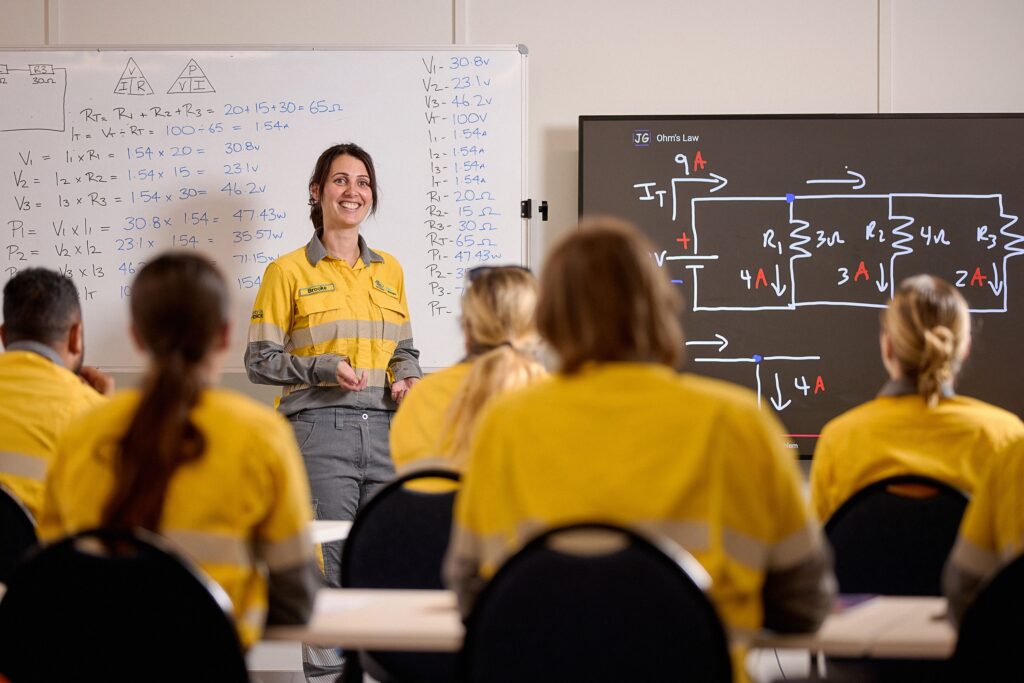
Strengthening the pipeline of talent has required equally deliberate attraction and recruitment adaptations. Energy Queensland focused on visibility in advertising and social channels, overt messaging encouraging women to apply, and programs like Girl Power, enabling high school girls to meet female tradespeople and understand that a trade career is genuinely possible. Combined with a recruitment process redesigned around potential, and the adoption of a 40:40:20 gender target, applications surged, with more than 1,200 women applying for apprenticeships in 2025.
“We want to attract the widest pool of talent possible. Gender diversity gives us better outcomes, and we want to be representative of the communities we live and work in.” – Jeff Green, Chief Operating Officer.
Today, more than 380 women work in trade and apprentice roles across Energy Queensland – proof that when barriers are removed and systems evolve, participation follows.
Great Southern Bank partner with Women in Digital
Great Southern Bank has partnered with Women in Digital to strengthen gender diversity across its digital and technology teams and build a sustainable talent pipeline for the future.
The Bank’s Chief Information Officer, Bernadette Stone, said diversity is essential to innovation and business performance.
“As a customer-owned bank, we solve problems by putting ourselves in our customers’ shoes. When we bring together people with different backgrounds and lived experiences, we think more broadly across the whole value chain and create smarter, technology-enabled solutions that deliver better outcomes for our customers.”
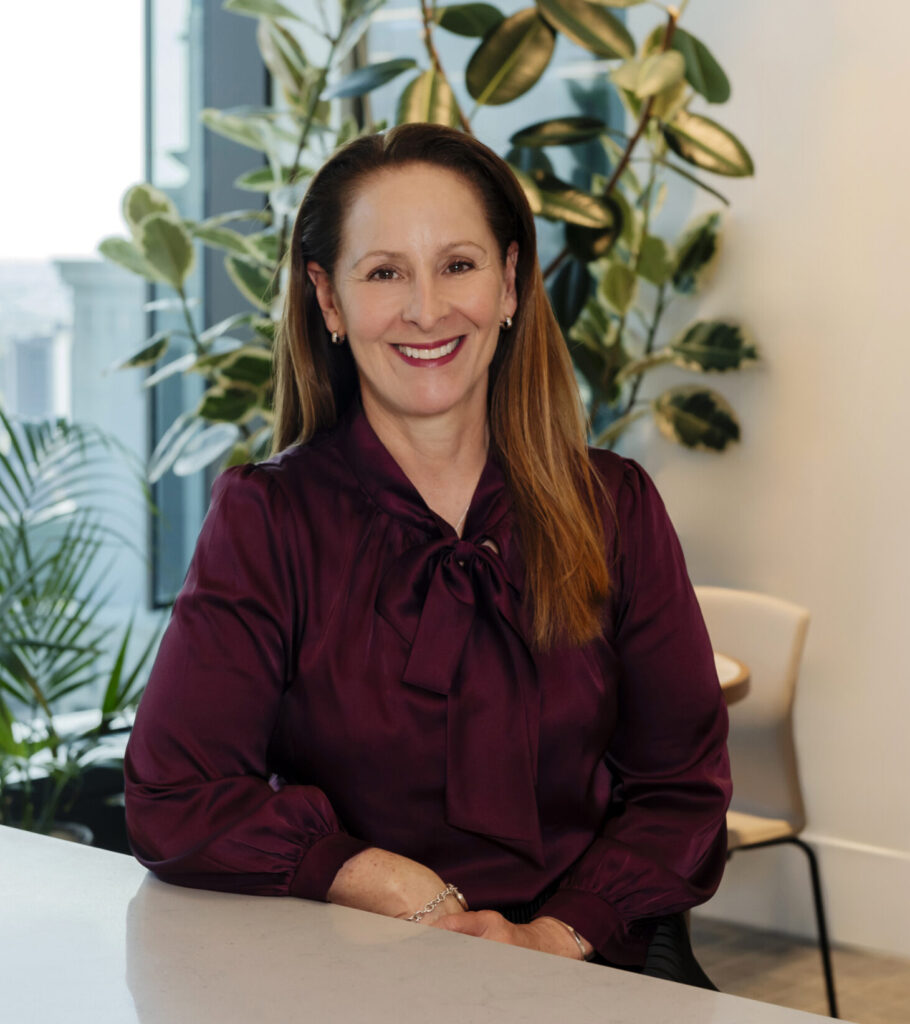
The decision to partner with Women in Digital was driven by a clear business need.
Digital sits at the heart of how Great Southern Bank serves customers, manages risk and delivers sustainable growth.
Partnering with Women in Digital means the Bank now has access to a national network, targeted development programs, and practical pathways to attract, develop and retain women in technology roles.
It also supports the Bank’s broader commitment to inclusive leadership and gender equity, moving from intention to measurable action.
By investing in a partnership that builds capability, Great Southern Bank is strengthening its position as an employer of choice in technology while helping create a more inclusive digital sector.
Rest’s commitment to advancing gender equity
This International Women’s Day, Rest is reaffirming their commitment to advancing gender equity, because fairness at work plays a critical role in shaping long term financial security.
They are one of Australia’s largest superannuation funds, representing more than 2 million members, including over 1 million women. Rest knows gender inequality has a compounding impact on earnings, super balances and retirement outcomes. Closing the gender pay gap is essential to building a fairer super system for the members they serve.
Progressing gender equity also strengthens their ability to deliver for members. By creating an equitable and flexible workplace, they support their people to do their best work – helping to attract and develop diverse talent, strengthen leadership and make better decisions on behalf of members.
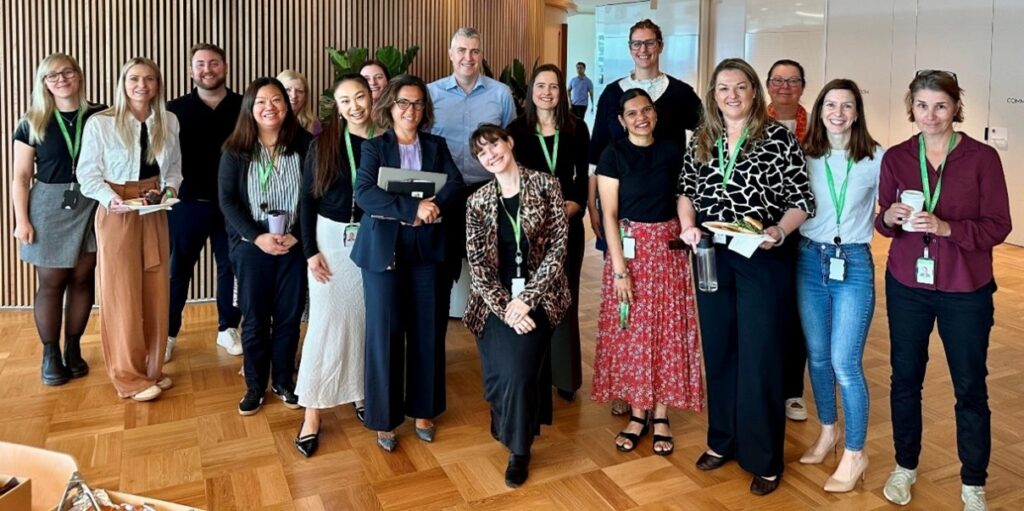
The latest Workplace Gender Equality Agency (WGEA) data shows Rest’s average total remuneration gender pay gap continues to sit significantly below the Financial Services industry average*. This reflects sustained progress, but they know there is more work to do. Rest continues to take targeted action to foster gender equity, including supporting mentoring and development for women, sustained support for gender neutral parental leave and flexible caring arrangements, and formally reviewing pay equity on a six-monthly basis.
Rest CEO Vicki Doyle says: “International Women’s Day is a reminder of why closing the gender pay gap matters so deeply to us at Rest. By investing in equitable practices and an inclusive, flexible workplace, we’re helping build a fairer super system while creating a high performing organisation that delivers better outcomes for our members, now and into the future.”
* Source: WGEA Industry Benchmark Report, 2025. WICG is based on Australian and New Zealand Standard Industrial Classification (ANZSIC). Rest Industry Group is Financial and Insurance Services and subgroup is Superannuation Funds.
Additional resources
- DCA’s Gender resources page