
Creating Inclusive Multifaith Workplaces
This resource is a practice guide to support teams to proactively embed multifaith inclusion in their workplaces. The guide will help organisations to create more inclusive workplaces by recognising that
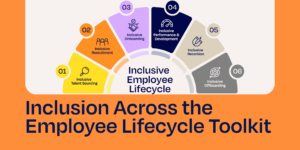
Inclusion Across the Employee Lifecycle Toolkit
Inclusion occurs across the employee lifecycle when a diversity of employees feel valued, respected, connected and able to progress – from when they first find out about a job vacancy, to when they leave the organisation.
The Power of Inclusion: Preventing Workplace Sexual Harassment
This research shows that inclusion is an important factor in reducing the risk of workplace sexual harassment and building safer, more respectful workplaces. Drawing on our 2025–2026 Inclusion@Work Index survey
Stop fixing women. Start fixing the systems around them.
For decades, workplaces have invested in women’s leadership programs, mentoring, networking and confidence workshops. Many have created real value, building skills, relationships and support. Yet progress towards gender equality remains

Knowledge Program builds confidence to recognise racism and respond with care
For Sunshine Coast Council, DCA’s Anti-Racism Fundamentals knowledge program helped create space for honest reflection and hands-on learning.
From complaint to prevention: responding to psychosocial hazards before harm escalates
Psychosocial safety starts long before a formal complaint. Discover practical steps to identify, report and prevent workplace harm early.