Age, Assumptions and Access at Work: Employee Experiences of Age Inclusion in the Workplace

Diversity Council Australia has partnered with the Australian Human Rights Commission to examine how age-based assumptions are shaping who is respected, included and supported at work.

Workplaces across Australia are navigating a period of significant change. Demographic shifts, skills shortages and longer working lives mean organisations are increasingly reliant on workers across multiple life stages. In this environment, the ability to attract, retain and support people of all ages is not just a matter of fairness, it is essential to organisational resilience and performance.

This research draws on a survey of 3000 workers across Australia to explore how age shapes their experiences of both inclusion and exclusion at work. Using data from DCA’s 2025-2026 Inclusion@Work Index, this report provides valuable insight into where age‑based barriers persist and how they are experienced across the workforce.

Read the full report or explore and share the 2-page infographic.

What we found

Discrimination and harassment are high for younger workers – especially younger carers

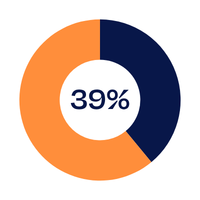
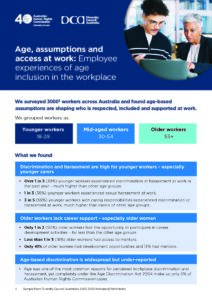
Over 1 in 3 (39%) younger workers experienced discrimination or harassment at work in the past year – much higher than other age groups.

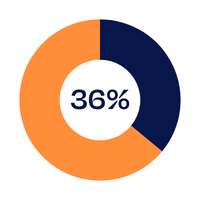
1 in 3 (36%) younger workers experienced sexual harassment at work.

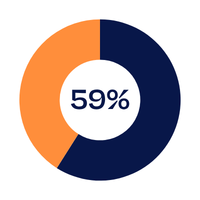
3 in 5 (59%) younger workers with caring responsibilities experienced discrimination or harassment at work, much higher than carers of other age groups.

Older workers lack career support – especially older women

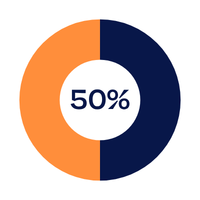
Only 1 in 2 (50%) older workers had the opportunity to participate in career development activities – far less than the other age groups.

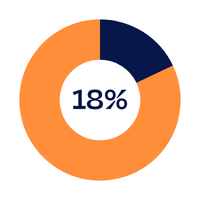
Less than 1 in 5 (18%) older workers had access to mentors.

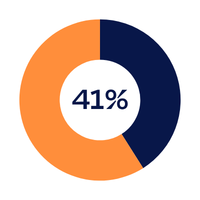
Only 2 in 5 (41%) of older women had development opportunities

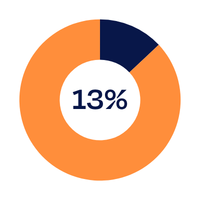
Less than 1 in 7 (13%) of older women had mentors

Age-based discrimination is widespread but under-reported

Age was one of the most common reasons for perceived workplace discrimination and harassment, yet complaints under the Age Discrimination Act 2004 make up only 5% of Australian Human Rights Commission cases.

What organisations can do to build age inclusion

Learning and career development

Be age inclusive with your learning and career development by encouraging:

Workplace flexibility and transition support

Normalise flexibility access through:

Workplace health and wellbeing

Encourage health and wellbeing at the workplace with:

Back view of group of workers in a board room. Focus is on woman in the middle

Organisational culture and leadership

Disrupt age bias and build an inclusive culture through:

Discrimination and harassment

Include age in discrimination and complaints processes and ensure:

Materials contained in this document are © Copyright of DCA Ltd, 2026 and come under our Terms of Use and Privacy Statement.

If you wish to use any content contained in this report, please contact DCA at research@dca.org.au, to seek consent.

Commercialising these materials is not permitted, including by providing training or consulting services to third parties for a fee or otherwise.

To refer to our research publicly, it must be correctly attributed to DCA and the Australian Human Rights Commission (AHRC).

  • Formal attribution to DCA and AHRC required where references to this research material are in a written format.
  • Citing DCA and AHRC as a source will suffice where the reference is made in a verbal format.

Suggested citation: Diversity Council Australia & Australian Human Rights Commission (2026) Age, Assumptions and Access at Work: Employee Experiences of Age Inclusion in the Workplace. Diversity Council Australia.

Age inclusion resources

As Australians live and work longer, employers are increasingly needing to consider building inclusion for workers of all ages. Our resources explore key terms relating to age, the state of play for age diversity in the Australian workforce, and key issues such as ageism, age discrimination, and the myth of generational differences.

Hiding in Plain Sight: It’s time to disrupt ageism at work

Read the insightful blog by Robert Fitzgerald AM, Age Discrimination Commissioner, on how age discrimination hides in plain sight, and how we can bridge the gap between our demographic reality and our workplace practices.

Age, Assumptions and Access at Work

Watch recording of the research launch event with Age Discrimination Commissioner Robert Fitzgerald AM, Emma Vibert from Aware Super, and Heidi La Paglia from the Australian Human Rights Commission’s Equality at Work project.

Age Discrimination in Employment

The Age Discrimination Commissioner is leading a range of initiatives to help address age discrimination in the workplace and shape a future where age is not a barrier to participation in employment.

Visit their site to better understand age discrimination in employment and how older people’s right to work is being denied in Australia, affecting economic security and participation.